
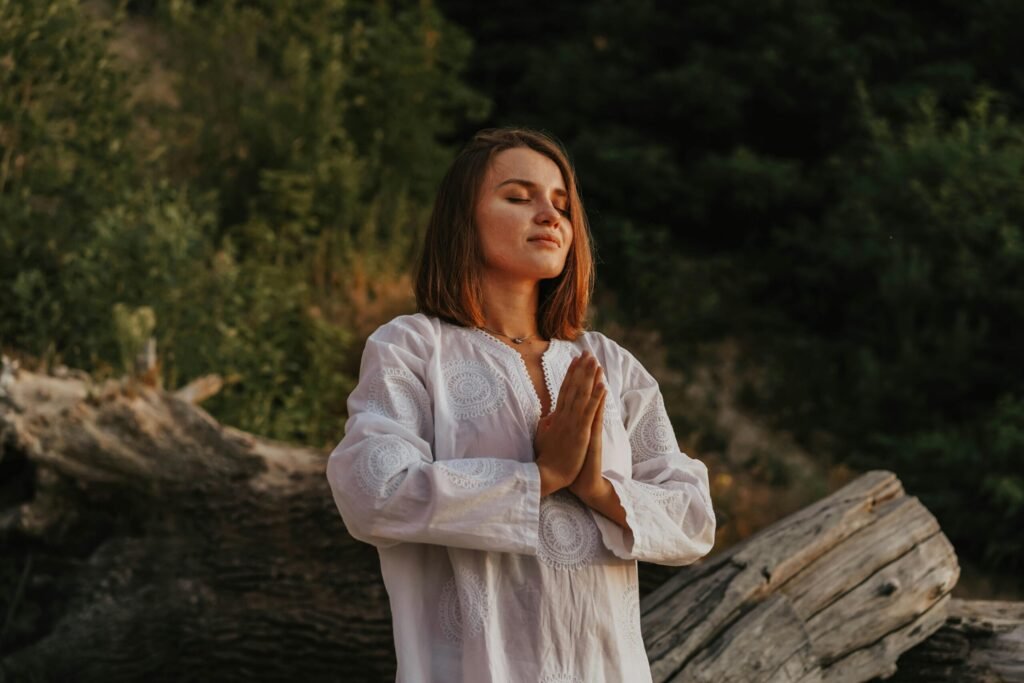
In today’s fast-paced world, stress has become a common part of daily life. However, prolonged stress can negatively impact both mental and physical health. One effective way to combat stress and improve overall well-being is through mindfulness. This ancient practice has been scientifically proven to reduce stress, enhance focus, and promote emotional balance. In this blog, we’ll explore the power of mindfulness and provide practical stress reduction techniques to help you live a healthier, more balanced life.
What Is Mindfulness?
Mindfulness is the practice of being fully present in the moment without judgment. It involves paying close attention to thoughts, emotions, and bodily sensations while maintaining a sense of awareness. By practicing mindfulness, individuals can develop a greater sense of clarity and reduce stress caused by overthinking or negative thought patterns.
Benefits of Mindfulness
- Reduces stress and anxiety: Mindfulness helps regulate emotions and lowers cortisol levels.
- Enhances emotional well-being: Practicing mindfulness fosters a positive mindset and emotional resilience.
- Improves concentration: Focusing on the present moment strengthens cognitive abilities and attention span.
- Boosts physical health: Regular mindfulness practice has been linked to lower blood pressure, improved sleep, and stronger immune function.
Mindfulness Techniques for Stress Reduction
- Mindful BreathingOne of the simplest and most effective mindfulness techniques is mindful breathing. This practice involves taking slow, deep breaths while focusing on the rhythm of inhalation and exhalation.
How to Practice:Find a quiet place and sit comfortably.
Close your eyes and take a deep breath in through your nose.
Hold your breath for a few seconds, then slowly exhale through your mouth.
Focus on your breath, letting go of any distractions.
Practicing mindful breathing for just five minutes a day can significantly reduce stress and enhance mental clarity. - Body Scan MeditationThis technique involves paying attention to different parts of the body, releasing tension, and increasing awareness of physical sensations.
Steps to Follow:Lie down in a comfortable position.
Close your eyes and take deep breaths.
Start from your toes and gradually move upward, noticing any sensations or tension.
Consciously relax each area as you progress.
This practice helps alleviate physical tension and promotes deep relaxation. - Mindful WalkingMindful walking combines movement with mindfulness, making it a great option for those who find seated meditation challenging.
How to Do It:Walk slowly and focus on each step.
Pay attention to the sensation of your feet touching the ground.
Observe your surroundings without judgment.
Breathe naturally and stay present in the moment.
Engaging in mindful walking for even 10 minutes a day can help reduce stress and improve mental clarity.
- Gratitude PracticeCultivating gratitude is an essential mindfulness technique that shifts focus from stress to positive aspects of life.
Steps to Incorporate Gratitude:Keep a gratitude journal and write three things you’re thankful for each day.
Take a moment in the morning or before bed to reflect on positive experiences.
Express gratitude to others through kind words or thoughtful gestures.
Practicing gratitude consistently can increase happiness and reduce stress-related emotions. - Guided Mindfulness MeditationUsing guided meditation can make it easier to develop a mindfulness habit, especially for beginners.
How to Get Started:Find guided mindfulness meditation sessions online or through apps.
Choose a session that suits your preferred duration and focus area.
Follow the instructions and allow yourself to immerse in the experience.
Guided mindfulness meditation helps in maintaining focus and enhancing relaxation.
Integrating Mindfulness into Daily LifeIncorporating mindfulness into your routine doesn’t require drastic changes. Small, intentional actions can make a significant difference in reducing stress and enhancing well-being.
Practical Ways to Stay Mindful Daily:Start your day with mindfulness: Spend a few minutes practicing deep breathing before checking your phone or emails.
Mindful eating: Focus on the flavors, textures, and aromas of your food instead of rushing through meals.
Take mindful breaks: Pause for a few minutes during work to stretch and refocus.
Practice mindfulness before bedtime: Engage in a short meditation or gratitude exercise to promote restful sleep.
ConclusionMindfulness is a powerful tool that can help reduce stress, enhance mental clarity, and improve overall health. By incorporating mindfulness techniques such as mindful breathing, body scan meditation, and gratitude practice into your daily life, you can cultivate a greater sense of calm and well-being. Start small and stay consistent—your mind and body will thank you.